

Contents
Introduction to Welding Gloves
Welding gloves safeguard hands from severe heat and harmful materials. They are a welder’s first defense. The right pair can make a big difference in comfort, safety, and durability. Whether for hobby or professional use, welding gloves prevent injuries from heat, flames, electricity, and sharp objects.
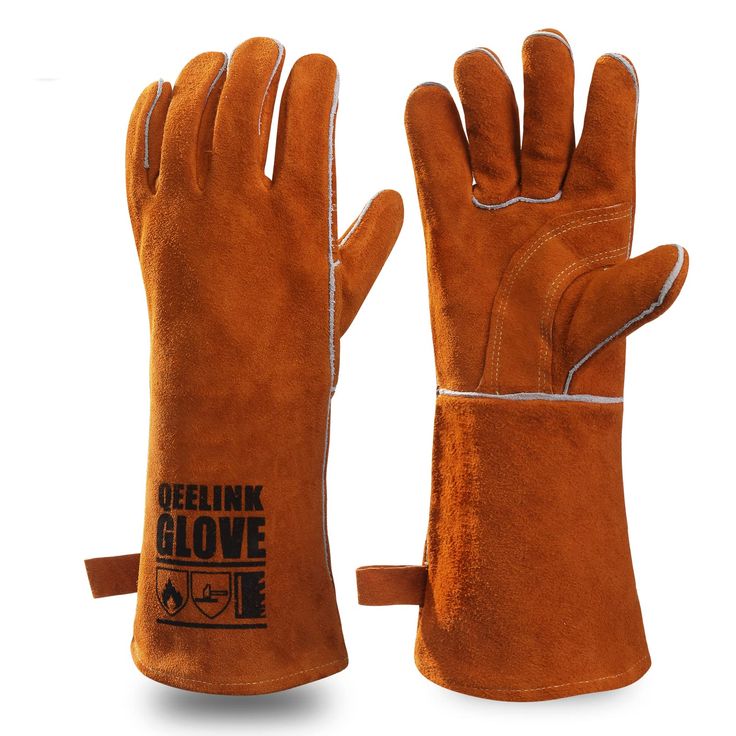
Every welding type demands specific glove features. TIG, MIG, and stick welding all require gloves that cater to their unique needs. Some materials like cowhide and elkskin offer heat resistance. Others, such as goatskin and kidskin, provide dexterity. A perfect welding glove balances protection with flexibility.
When searching for the best welding gloves, it’s crucial to consider the material, durability, and fit. Gloves made from quality leather provide the best defense against the risks of welding. They keep hands safe while allowing welders to perform tasks effectively.
Investing in the right set of welding gloves can enhance productivity and safety. It is an essential step for every welder, regardless of their skill level. In the following sections, we’ll explore how to choose the best gloves for each welding process.
Critical Factors in Choosing Welding Gloves
Selecting the best welding gloves involves several key factors. Fit, material, and design matter most. A well-fitted glove enhances grip and safety. Material choice determines heat resistance and durability. Welding type dictates glove design.
Fit and Comfort
Fit is crucial. Gloves should be snug, but not too tight. They must allow free finger movements. Too loose gloves can slip off. Too tight ones restrict hand mobility. Aim for a balance between secure fit and comfort.
Material and Protection
Material choice is essential. Leather types vary in heat resistance and durability. Cowhide and elkskin handle high temperatures best. Goatskin and kidskin offer flexibility for intricate tasks. A glove’s material affects its performance and longevity.
Design and Functionality
Gloves must cater to specific welding processes. TIG gloves need high dexterity. Stick welding gloves demand robust protection. MIG gloves require a mix: durability with flexibility. Extra features, like Kevlar stitching, enhance glove function.
The Role of Comfort Features
Comfort features improve wearability. A lined interior can buffer against heat. An ergonomic design may reduce hand fatigue. Longer cuffs protect wrists from sparks and spatter. Comfort aligns with safety and effectiveness.
Heat Resistance and Durability
For high heat tasks, choose gloves with maximum heat resistance. Durability ensures they withstand frequent use. Heavy-duty gloves are a must for long-term projects. Always check the gloves’ rating against your welding needs.
In summary, the best welding gloves fit well, resist heat, and serve their intended welding type. Comfort and durability also play into the ideal choice. Consider all these factors for a wise investment in safety and performance.
Arc Welding Gloves and Materials
When it comes to arc welding, selecting the right gloves is critical for safety and performance. The best welding gloves are crafted from materials that can handle the intense conditions of welding, such as extreme heat and spatter. Here, we delve into the different materials used in arc welding gloves and their properties.
Leather Types and Their Benefits
Leather remains the principal choice for arc welding gloves, providing exceptional heat resistance and durability. Types of leather include:
- Cowhide: This leather is both tough and heat-resistant, ideal for heavy-duty protection.
- Goatskin: Known for its excellent dexterity, goatskin suits TIG welding that requires fine hand movements.
- Elkskin: Offers a blend of heat resistance and suppleness, staying soft even when exposed to heat.
- Pigskin, deerskin, and sheepskin: These are supplementary options, delivering a balance of protection and flexibility.
Each type of leather brings distinct advantages, depending on the welding process. For example, the thick and durable nature of cowhide makes it a popular choice for stick welding gloves due to its cost-effectiveness and strong heat resistance.
Grain and Cut Qualities
The cut and grain of the leather affect the gloves’ overall feel and durability. Top or split grain cowhide, often used in stick welding gloves, is noted for its robustness. Meanwhile, the softer, more pliable grains, like top grain goatskin or kidskin, are preferred for TIG welding gloves due to their enhanced ability to bend and move with the welder’s hands.
Welding Glove Manufacturing Focus
Manufacturers design gloves with specific welding processes in mind, each offering appropriate levels of protection, dexterity, and durability. Stick welding gloves, for example, are typically made from thicker leathers like cowhide and elkskin to protect against the higher levels of heat and spatter. TIG welding gloves, however, tend to be thinner for better control and dexterity.
By understanding the relationship between materials and welding methods, welders can choose the best welding gloves suited for their specific needs. This ensures safety, efficiency, and longevity in the challenging environment of arc welding.
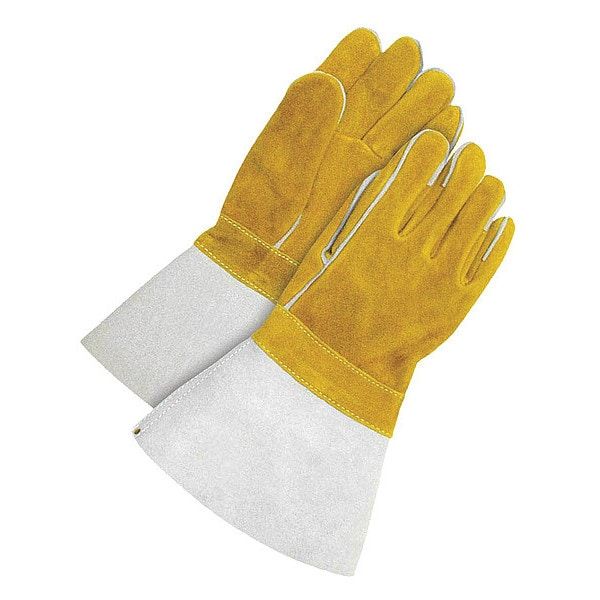
Top Choices for Stick Welding Gloves
When looking for the best welding gloves for stick welding, material and design are key. Thick leather gloves that offer high protection and durability are the top choices. Here are some important points to consider:
- Material: The best stick welding gloves are often made from top or split grain cowhide, elkskin, goatskin, or pigskin. These materials provide the necessary resistance against heat and abrasion, crucial for the intense conditions of stick welding.
- Protection: Gloves for stick welding must protect against extreme heat, UV and infrared radiation, and sparks. The thicker the leather, the more protection it offers.
- Comfort and Dexterity: While thickness is important, the gloves should also allow for some flexibility. Elkskin gloves, for instance, remain soft and comfortable even under extreme heat and offer good hand movements.
- Durability: Gloves crafted from side split leather tend to be the most durable options. However, options like shoulder split leather gloves also offer a good balance between toughness and cost-effectiveness.
Some of the highly recommended options include Tillman 1250 and 1155 stick welding gloves made from premium side split cowhide, designed for durability and extended use. Elkskin gloves like Tillman 750 and 850 are praised for their heat resistance and how they maintain softness and flexibility, making them an excellent premium option.
Choosing the right stick welding gloves can make a significant difference in performance, safety, and comfort. Look for gloves that provide both the protection you need and the flexibility that allows for effective welding.
Goatskin and Kidskin Gloves for TIG Welding
When it comes to TIG welding, precision and flexibility are paramount. This demands gloves that offer not only protection but also a high degree of dexterity. Goat and suede are the materials of choice for this task due to their unique properties.
Goatskin Gloves Benefits
Goatskin gloves are highly valued in TIG welding for several reasons:
- Lightweight and Flexible: Goatskin is naturally supple, allowing for excellent finger movement and control.
- Durable Protection: Despite its softness, goatskin is abrasion-resistant and offers good protection against cuts.
- Enhanced Sensitivity: The thinness of goatskin enhances tactile sensitivity, crucial for handling welding tools and materials.
These features make goatskin gloves a top choice for welders who need both protection and precision in their work.
Kidskin Gloves Advantages
Kidskin, made from the hide of young goats, offers similar benefits but with added softness and luxury:
- Extra Softness: Kidskin is exceptionally soft, making it extremely comfortable for prolonged use.
- Superior Dexterity: The soft nature of kidskin allows for even better finger movement, essential for detailed welding tasks.
- Heat Resistance: Kidskin handles heat well, protecting hands from the high temperatures involved in TIG welding.
Suede gloves are ideal for welders who value comfort and fine control over their welding instruments.
In conclusion, both goatskin and kidskin gloves provide the necessary protection, comfort, and dexterity needed for TIG welding. These materials help ensure that welders can perform precise work effectively while keeping their hands safe from harm.
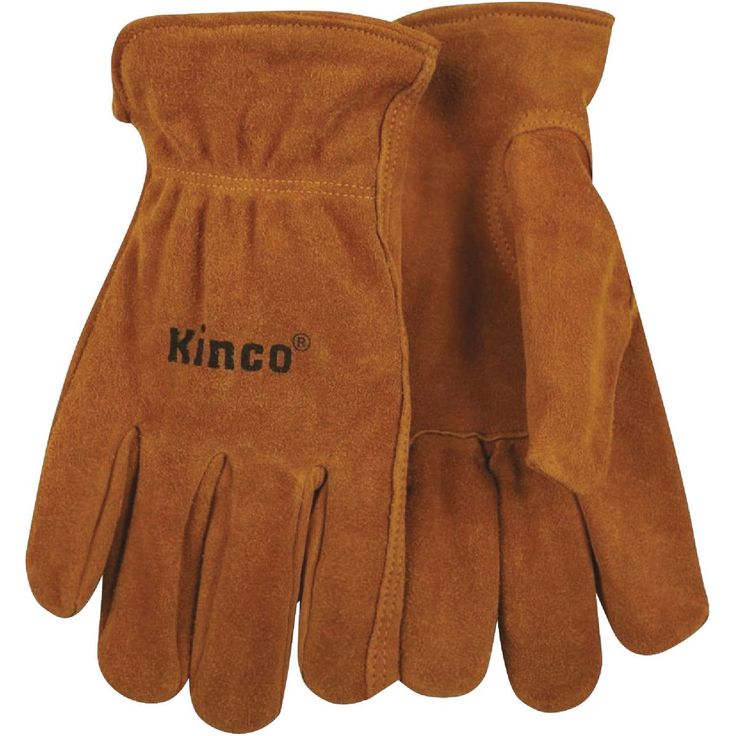
MIG Welding Gloves: Durability and Dexterity
Finding the right MIG gloves is key for effective and safe welding. These gloves must offer a balance between durability and dexterity. Here’s what to consider when choosing MIG welding gloves:
- Thickness and Material: MIG welding often involves high heat and spatter, requiring gloves made from thick leather, like cowhide. Cowhide resists heat well and provides long-lasting durability.
- Flexibility: Despite the needed thickness, it’s important for the gloves to provide enough dexterity for welders to handle tools and materials accurately.
Goatskin is a material known for both its toughness and flexibility, and it’s commonly used in MIG welding gloves. Pigskin, with its dense texture, can also endure the rigors of MIG welding while offering some maneuverability. For instance, Tillman 48 MIG Welding Gloves combine top grain goatskin with a cowhide split back. This design allows for heat resistance with good movement.
Products like the Tillman 48 have proven popular among welders because they strike a balance between protection and the ability to perform precise tasks. They typically feature added elements like Kevlar stitching and reinforced areas to withstand frequent use.
Overall, the gloves for MIG welding should offer both protection from the harsh conditions of welding and the dexterity for precise work. Always consider the type of welding you do and choose gloves that will last and keep your hands safe.
Notable Tillman Gloves Models
Tillman welding gloves stand out for their quality and range. Here are some top models that are popular among welders for various applications:
Tillman 1250 and 1155 Stick Welding Gloves
The Tillman 1250 gloves are known for their premium side split cowhide. They offer durability for extended use. The Tillman 1155 model adds extra length, enhancing arm protection.
Tillman 750 and 850 Elkskin Welding Gloves
Both gloves feature rough out top grain Elkskin palms. They have cotton/foam lining for added heat protection. Kevlar stitching and reinforced thumbs increase wear resistance. These gloves remain soft under heat, aiding flexibility.
Tillman 1328 and 24C TIG Welding Gloves
The 1328 gloves use top grain goatskin for superior dexterity. The 24C model features premium top grain kidskin, exceptionally soft for precise welding tasks.
Tillman 48 MIG Welding Gloves
These gloves combine top grain goatskin with a cowhide split back. This design gives both heat resistance and flexibility. They are fitted with Kevlar stitching for enhanced durability.
The variety of Tillman gloves ensures that every welder finds the right fit for their specific needs. These models provide a blend of safety, comfort, and functionality.
Maintaining Welding Gloves for Longevity
To ensure your best welding gloves last, proper care is vital. Here’s how to maintain your gloves:
- Clean Regularly: After each use, remove any debris or spatter. Wipe down with a damp cloth if needed.
- Avoid Moisture: Store gloves in a dry place away from water. Moisture can damage leather, making it brittle.
- Inspect Often: Check for tears, holes, and thinning leather. Repair or replace damaged gloves to stay safe.
- Use Properly: Only use gloves for their intended purpose. This prevents unnecessary wear and tear.
By following these care tips, your gloves will last longer and provide the protection you need.


