

Contents
Understanding the Role of Pitching Gloves
Pitching gloves are crucial tools for any baseball or softball pitcher. They provide several benefits beyond just catching balls. First, these gloves protect the pitcher’s hand from high-speed impacts. This reduces the risk of injury, which is vital for maintaining consistent performance. Second, high-quality gloves provide better grip and control. This helps pitchers execute precise throws and maximize their skills. Additionally, pitching gloves can help in disguising pitches from opponents. They conceal finger positioning and grip, enhancing strategic advantage on the mound.
Moreover, the construction of pitching gloves significantly affects their performance. Materials like leather offer durability and comfort. However, synthetic options provide agility and faster break-in times. Each material has its advantages, but the choice depends on personal preference and playing conditions. Finally, pitching gloves come in various sizes. It’s essential to choose the correct size for optimal performance. Improper sizing can lead to discomfort and inferior gameplay, emphasizing the need for the right fit.
Protection and Injury Prevention
When discussing the importance of pitching gloves, injury prevention is paramount. The high speeds at which baseballs travel pose a constant danger to a pitcher’s hand. Therefore, a glove with adequate padding is essential. Quality padding can absorb much of the shock, reducing the risk of fractures and other injuries. This ensures that pitchers can perform consistently without interruptions caused by minor injuries.
Furthermore, injury prevention extends beyond just immediate impacts. Long-term use of poorly constructed gloves can lead to issues like blisters, calluses, and joint pain. Wearing a well-designed pitching glove helps to mitigate these problems. This is particularly important for those who play frequently throughout the season. Consistent use of a high-quality glove can contribute to better overall hand health. Subsequently, it enhances a pitcher’s ability to sustain peak performance.
Grip and Control
Grip and control are other crucial aspects impacted by the quality of pitching gloves. A glove designed with superior materials offers a better grip on the ball. This is particularly essential during various weather conditions, such as rain or intense heat, which can affect hand sweat and control. Leather gloves, for instance, tend to offer excellent grip and flexibility over time, whereas synthetic options may provide immediate benefits.
Pitching accuracy and control directly influence game outcomes. Therefore, a glove that enhances grip can contribute to a pitcher’s overall effectiveness. Pitching gloves often feature specific designs, like rolled welting and ergonomic hand shapes. These features help maintain consistent form and technique. This is vital for both novices and professionals. Additionally, finger stalls in these gloves are ergonomically designed to improve finger positioning. This can help execute various pitch types with precision.
Different Types of Pitching Gloves
Leather Gloves
Leather gloves have been the gold standard in pitching gloves for many years. They offer exceptional durability and a comfortable fit that improves over time. Most players find that leather gloves form to their hands perfectly after a break-in period. This custom fit provides both protection and performance enhancements. There are different types of leather used, including cowhide, steerhide, and kip leather. Each has its characteristics, which can affect the glove’s lifespan and feel.
However, leather gloves require a significant break-in period. Players often need to invest extra time to soften the leather. This process involves various techniques, such as oiling and manual manipulation. Despite the initial effort, the result is a glove that offers unmatched durability and feel. Leather gloves are excellent choices for players seeking long-lasting performance and a custom fit.
Synthetic Gloves
Synthetic gloves provide a viable alternative to traditional leather gloves. These gloves are often lighter and require less break-in time. For players in need of immediate performance benefits, synthetic options are ideal. They offer flexibility and comfort right out of the box. These gloves also tend to be resistant to moisture, making them suitable for all weather conditions. This advantage is particularly beneficial in regions with unpredictable weather patterns.
Another noteworthy feature of synthetic gloves is their affordability. While leather gloves can be expensive, synthetic versions offer a cost-effective alternative without compromising performance. However, they may not offer the same level of durability as leather gloves. Regular players may find that synthetic options require more frequent replacements. Despite this, the convenience and immediate benefits of synthetic gloves make them popular options.
Choosing the Right Pitching Glove
Fit and Comfort
Fit and comfort should be top priorities when selecting a pitching glove. An ill-fitting glove can lead to discomfort and decreased performance on the field. When trying on gloves, ensure that they fit snugly around the fingers and hand. The glove should not feel too tight or too loose. A comfortable fit allows for better control and a more natural feel when handling the ball. This can significantly impact a pitcher’s confidence and performance.
Some features to look for include adjustable wrist straps and padded finger stalls. These can enhance the overall fit and comfort of the glove. Adjustable wrist straps allow for a customized fit. This ensures stability and reduces the risk of the glove slipping during play. Padded finger stalls, on the other hand, provide extra cushioning and protection. This is particularly important for pitchers who frequently throw high-velocity pitches. The extra padding can reduce the impact on the fingers, leading to fewer injuries.
Material Considerations
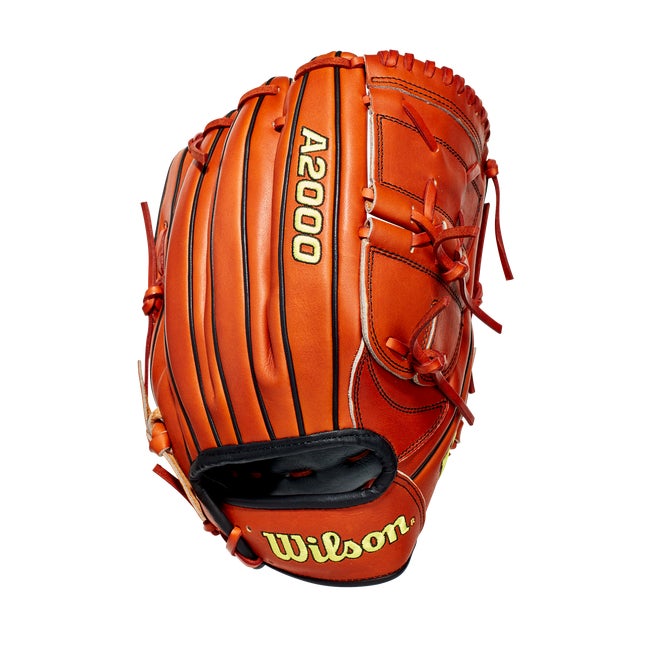
Material selection is another crucial factor in choosing the right pitching glove. As discussed, leather and synthetic materials each have their advantages. Players must consider their specific needs and preferences when deciding on the material. Leather offers durability and a customized fit over time. Conversely, synthetic gloves provide immediate comfort and are often more affordable. The choice between these materials can significantly impact the overall performance and longevity of the glove.
Additionally, some gloves combine both materials to offer a balance of benefits. These hybrid gloves feature leather palms with synthetic backing. This provides the durability of leather with the flexibility and lightness of synthetic materials. Hybrid gloves are excellent choices for players seeking the best of both worlds. Regardless of the material chosen, investing in a high-quality glove is essential. A well-made glove can make a significant difference in a pitcher’s performance and overall experience on the field.
Cleaning and Conditioning
Proper maintenance is essential to prolong the lifespan of pitching gloves. Regular cleaning and conditioning help preserve the glove’s material and performance. Leather gloves, in particular, require frequent conditioning to prevent them from drying out and cracking. Using a high-quality leather conditioner keeps the leather supple and enhances its durability. Players should avoid using excess water or harsh chemicals. These substances can damage the material and compromise the glove’s performance.
For synthetic gloves, maintenance is generally simpler. Wiping the glove with a damp cloth is usually sufficient to remove dirt and grime. These gloves are less susceptible to moisture damage, making them low-maintenance options. Regardless of the material, always ensure that the glove is thoroughly dried before storing it. Proper drying prevents mold and mildew, which can deteriorate the glove’s structure and fit.
Storage Tips
Storing pitching gloves correctly is as important as regular cleaning and conditioning. Improper storage can lead to material degradation and loss of shape, impacting the glove’s performance. Always store gloves in a cool, dry place when not in use. Excessive heat or moisture can cause the material to warp or crack. Using a glove mallet or ball to maintain the pocket’s shape is also advisable. This ensures that the glove remains in optimal condition, ready for use at any time.
Additionally, consider using a glove wrap or band to secure the glove’s shape during storage. This helps maintain the integrity of the glove’s form and prevents it from becoming misshapen. It’s also a good idea to periodically check the glove for any signs of wear and tear. Addressing minor issues promptly can prevent them from developing into more significant problems. Proper care and storage can extend the life of a pitching glove, ensuring consistent performance on the field.
Conclusion
In conclusion, pitching gloves are indispensable tools for baseball and softball players. They provide protection, improve grip and control, and offer strategic advantages on the field. Understanding the different types of gloves and their materials can help players make informed decisions. Choosing the right glove involves considering fit, comfort, and material preferences. Proper maintenance and storage are crucial for preserving a glove’s performance and longevity. Investing in a high-quality pitching glove and taking care of it can significantly enhance a pitcher’s performance and overall experience on the field. With the right glove, pitchers can maximize their potential and contribute to their team’s success.


