

Lifting belts are crucial tools for weightlifters and athletes, providing additional support and stability during heavy lifts. However, the effectiveness of a lifting belt largely depends on how tight it is worn. Therefore, understanding the appropriate tightness of a lifting belt is essential for maximizing its benefits while ensuring comfort and safety. Consequently, this comprehensive guide explores the importance of belt tightness, factors influencing the proper fit, and practical tips for adjusting your lifting belt. By exploring these aspects, you can enhance your lifting performance and reduce the risk of injury.
Contents
- Importance of Lifting Belt Tightness
- Factors Influencing Proper Belt Fit
- Steps to Achieve Optimal Belt Tightness
- Practical Tips for Adjusting Your Lifting Belt
- Maintenance Tips for Your Lifting Belt
- Addressing Common Questions About Lifting Belt Tightness
- Addressing Common Misconceptions About Lifting Belt Tightness
- Conclusion: Achieving the Perfect Fit for Your Lifting Belt
Importance of Lifting Belt Tightness
The tightness of a lifting belt plays a significant role in its overall effectiveness. Understanding its importance helps you achieve optimal performance and protection. Therefore, exploring the importance of lifting belt tightness is crucial.
Enhancing Core Stability
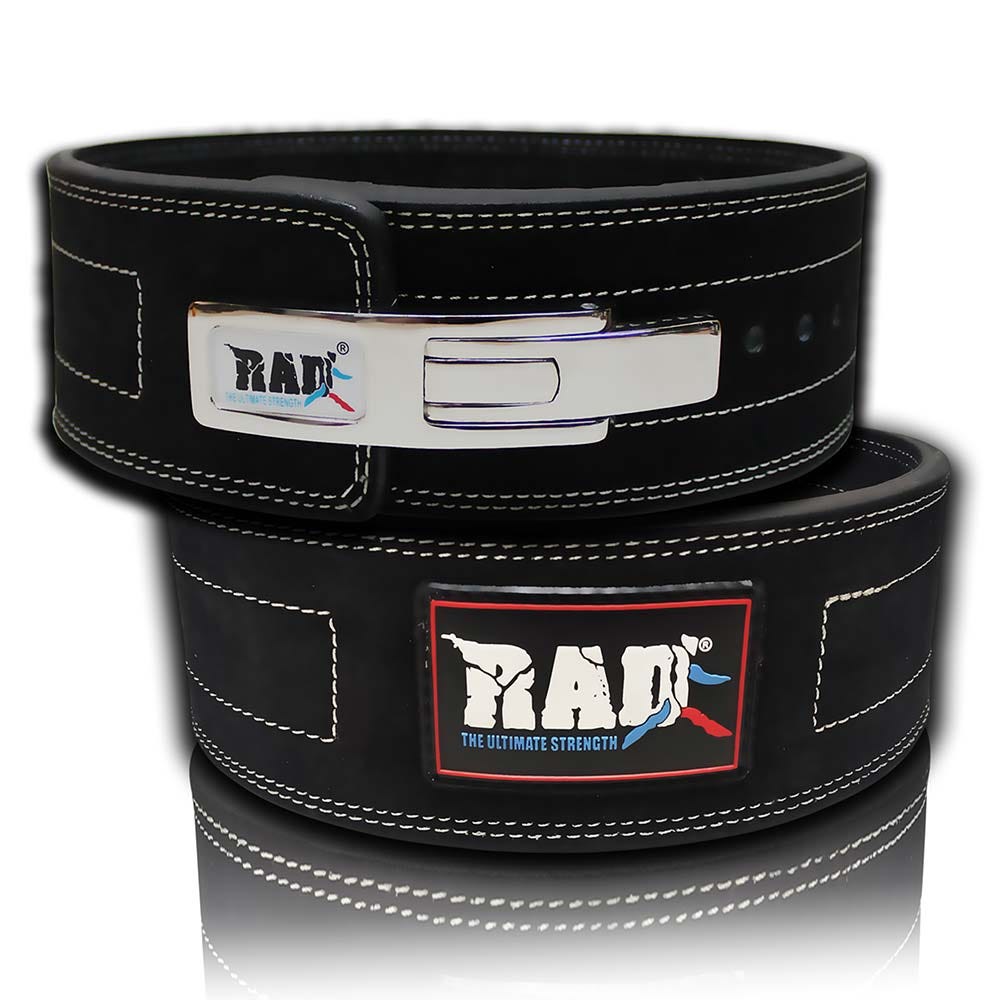
One of the primary benefits of wearing a lifting belt is enhancing core stability. The belt creates a rigid barrier around your midsection, allowing you to brace your abdominal muscles more effectively. This bracing action increases intra-abdominal pressure, providing additional support to your spine and core muscles during heavy lifts. Wearing the belt at the correct tightness helps maintain this pressure, reducing the risk of injury and improving lifting performance. By understanding how tightness affects core stability, you can maximize the belt’s benefits. Therefore, recognizing the significance of belt tightness for core stability is crucial.
Preventing Injury
Properly fitted lifting belts can help prevent injuries by providing lumbar support and reducing spinal stress. The belt helps maintain proper posture and alignment, preventing excessive hyperextension or flexion during lifts. However, an overly tight belt can restrict movement and breathing, leading to discomfort and potential injury. Conversely, a loose belt fails to provide the necessary support. By understanding the balance needed for effective injury prevention through belt tightness, you can safeguard your health. Therefore, recognizing the importance of appropriate belt fit is essential.
Factors Influencing Proper Belt Fit
Several factors influence the appropriate tightness of a lifting belt. Understanding these factors ensures you achieve the best fit for your needs. Therefore, exploring the factors influencing proper belt fit is essential.
Type of Lifting Belt
Different types of lifting belts cater to various lifting styles and preferences. Powerlifting belts, typically thicker and more rigid, require a tighter fit to maximize support during maximal lifts. Weightlifting belts, often contoured and flexible, may allow for slightly more adjustability. Lever belts, characterized by their secure locking mechanism, offer precise and consistent tightness. Velcro belts provide ease of adjustment but may lack the rigidity of lever or prong belts. By understanding the type of lifting belt you use, you can determine the appropriate tightness for optimal performance. Therefore, recognizing the difference between belt types is crucial.
Individual Body Mechanics
Your unique body mechanics and lifting style play a role in determining the ideal belt tightness. Factors such as waist size, torso shape, and breathing patterns affect how the belt fits and functions. Experiment with different tightness levels to find a balance that provides support without compromising comfort or range of motion. Pay attention to how the belt feels during various lifts, adjusting as needed to ensure stability and effectiveness. By understanding how individual body mechanics influence belt fit, you can personalize the tightness to suit your needs. Therefore, recognizing the impact of body mechanics is essential.
Steps to Achieve Optimal Belt Tightness
Achieving the optimal tightness for your lifting belt involves several steps. Understanding these steps ensures a secure and effective fit. Therefore, exploring the steps to achieve optimal belt tightness is crucial.
Measuring Your Waist
Begin by measuring your waist at the level where the lifting belt will sit. Use a flexible measuring tape to determine the circumference, ensuring a snug but not overly tight measurement. Most lifting belts come with size charts that correlate waist measurements with belt sizes. Refer to these charts to select the appropriate belt size. By understanding the importance of accurate waist measurement, you can choose a belt that fits properly. Therefore, recognizing the value of precise measurements is crucial.
Adjusting the Belt Position
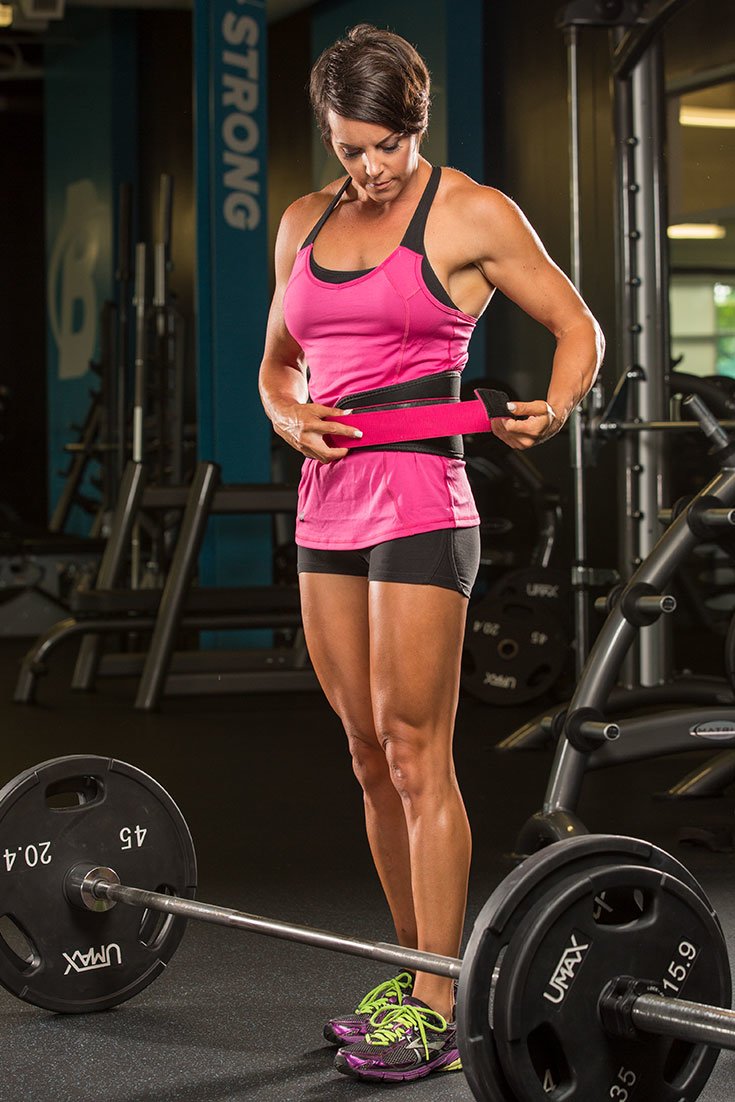
Position the belt around your waist, centering it over your core muscles. The belt should sit just above your hip bones and below your ribcage. Ensure the buckle or fastening mechanism is aligned at the front for easy adjustment. Fasten the belt snugly, but not so tight that it restricts breathing or causes discomfort. You should be able to brace your core muscles effectively without feeling constricted. By understanding the correct belt position, you can achieve optimal support and stability. Therefore, recognizing the importance of proper positioning is essential.
Experimenting with Tightness Levels
Experimenting with different tightness levels helps you find the balance that provides maximum support and comfort. Start with the belt moderately tight and perform several warm-up sets, paying attention to how it feels. Gradually increase the tightness until you feel adequately supported without restricting breathing or mobility. Adjust the tightness as needed based on the specific lift, as some exercises may require more or less support. By understanding the process of experimenting with tightness levels, you can customize the belt’s fit for various lifting scenarios. Therefore, recognizing the value of fine-tuning is crucial.

Practical Tips for Adjusting Your Lifting Belt
Several practical tips can help you achieve and maintain the ideal tightness for your lifting belt. Understanding these tips ensures consistent and effective support. Therefore, exploring practical tips for adjusting your lifting belt is essential.
Warm-Up Without the Belt
Performing warm-up sets without the belt allows you to engage your core muscles naturally and assess your needs. This practice helps you understand how your body moves and where additional support is required. After completing the warm-up, put on the belt and gradually increase its tightness during subsequent sets. By understanding the benefits of warming up without the belt, you can enhance your core engagement and adjust the belt more effectively. Therefore, recognizing the value of this practice is crucial.
Listen to Your Body
Pay attention to your body’s feedback when wearing the lifting belt. If you experience discomfort, restricted breathing, or excessive pressure, adjust the tightness accordingly. The belt should provide support without causing pain or limiting your range of motion. Listen to your body’s signals and make necessary adjustments to ensure both comfort and effectiveness. By understanding the importance of listening to your body, you can achieve a balanced and supportive fit. Therefore, recognizing the significance of body awareness is essential.
Maintenance Tips for Your Lifting Belt
Proper maintenance of your lifting belt helps ensure its longevity and effectiveness. Understanding these maintenance tips helps preserve the belt’s quality and functionality. Therefore, exploring maintenance tips for your lifting belt is crucial.
Regular Cleaning
Regular cleaning helps maintain the belt’s hygiene and condition. For leather belts, use a damp cloth to wipe away sweat and dirt. Apply a leather conditioner periodically to keep the material supple and prevent cracking. For synthetic belts, a mild soap and water solution can effectively clean the surface. Ensure the belt is thoroughly dried before storing it. By understanding the importance of regular cleaning, you can maintain the belt’s quality over time. Therefore, recognizing the value of cleanliness is crucial.
Proper Storage
Proper storage helps preserve the shape and condition of your lifting belt. Store the belt in a cool, dry place away from direct sunlight to prevent material degradation. Avoid folding the belt tightly, as this can cause deformities. Instead, hang the belt using a belt hanger or roll it loosely. By understanding the importance of proper storage, you can ensure your lifting belt remains in excellent condition. Therefore, recognizing the benefits of suitable storage is essential.
Addressing Common Questions About Lifting Belt Tightness
Understanding common questions about lifting belt tightness provides clarity and addresses potential concerns. Knowledge of these answers ensures better preparation and effective use. Therefore, exploring common questions is essential.
How Tight Should a Lifting Belt Be for Different Lifts?
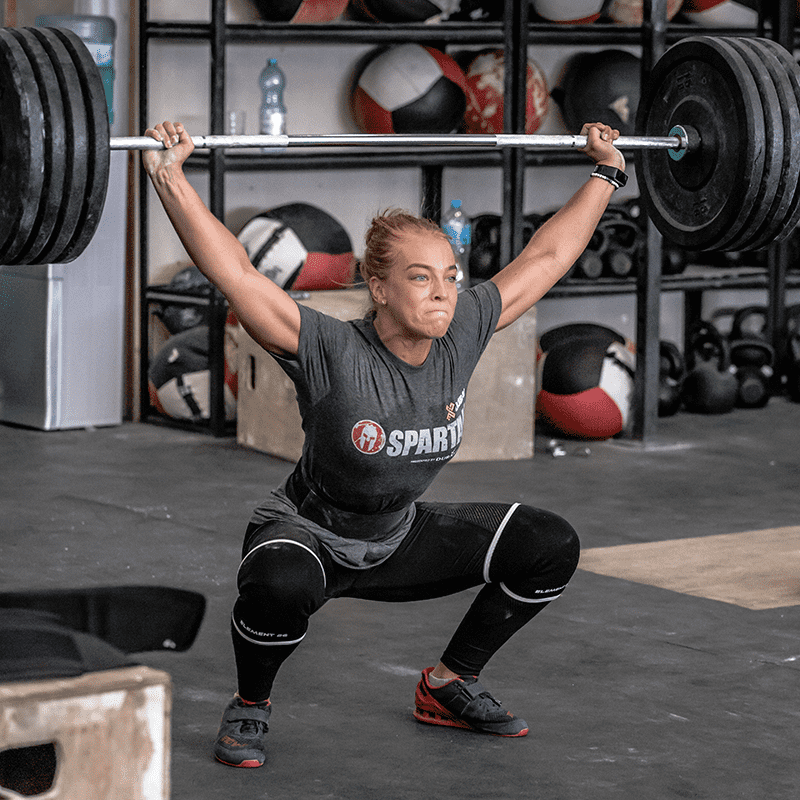
The ideal tightness of a lifting belt may vary based on the type of lift performed. For maximal lifts, such as heavy squats and deadlifts, a tighter fit provides additional support and stability. For dynamic lifts, like cleans and snatches, slightly less tightness allows for greater mobility and flexibility. Experiment with different tightness levels based on the lift to find the optimal balance. By understanding how tightness varies for different lifts, you can adjust the belt accordingly. Therefore, recognizing the importance of lift-specific tightness is crucial.
Can a Lifting Belt Be Too Tight?
Yes, a lifting belt can be too tight, leading to restricted breathing, discomfort, and potential injury. Overly tight belts can limit your range of motion and cause excessive pressure on your abdominal and thoracic regions. Ensure the belt is snug but allows you to breathe deeply and brace your core effectively. If you experience pain or difficulty breathing, adjust the tightness to a more comfortable level. By understanding the risks of an overly tight belt, you can maintain a balance between support and comfort. Therefore, recognizing the importance of avoiding excessive tightness is essential.
Addressing Common Misconceptions About Lifting Belt Tightness
Addressing common misconceptions about lifting belt tightness provides accurate information and dispels unwarranted concerns. Clearing up misunderstandings ensures informed and effective use. Therefore, exploring common misconceptions is important.
Misconception: Tighter is Always Better
A common misconception is that tighter lifting belts always provide better support. While snug belts offer stability, excessively tight belts can restrict breathing and movement, leading to discomfort and potential injury. Finding the right balance between tightness and comfort is key to effective support. By understanding the limitations of overly tight belts, you can achieve a fit that enhances performance without compromising safety. Therefore, dispelling this misconception highlights the importance of balanced tightness.
Misconception: Belt Tightness is the Same for Everyone
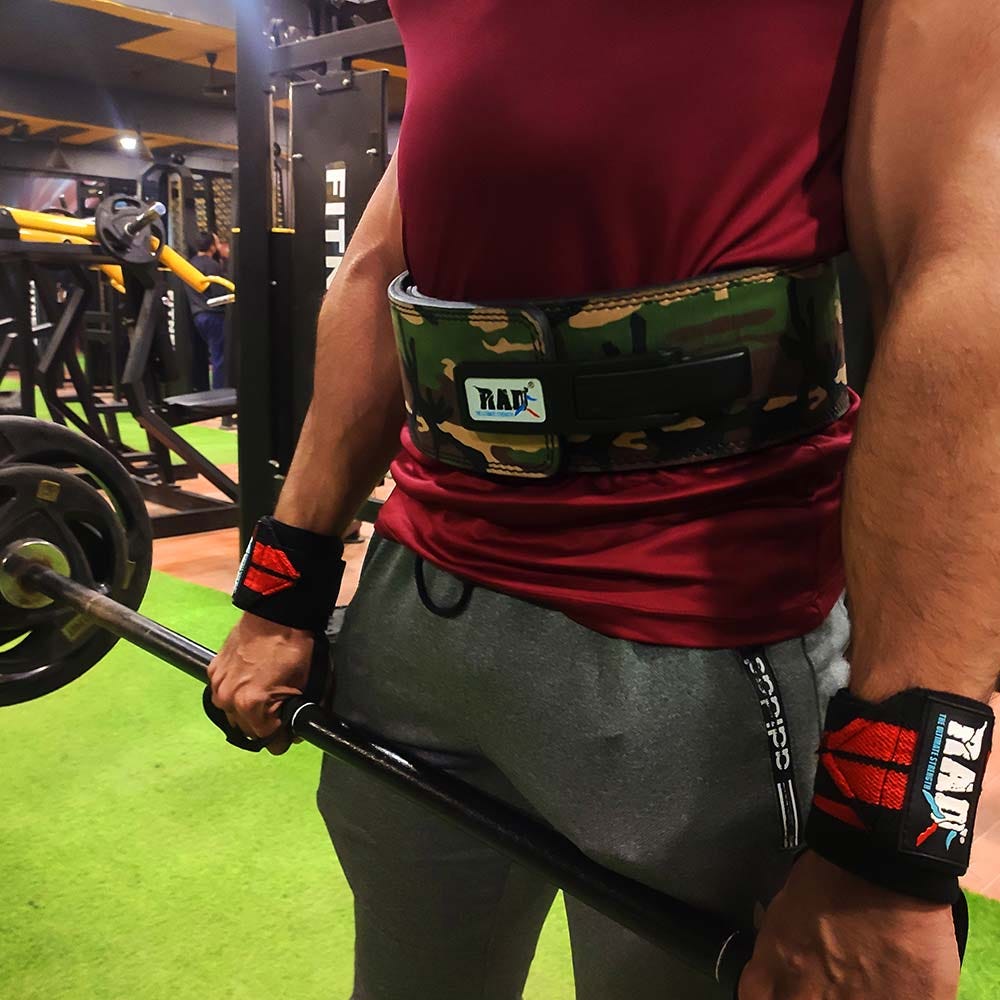
Another misconception is that the ideal belt tightness is uniform for all individuals. In reality, belt tightness varies based on factors such as body mechanics, waist size, and personal preferences. Each person must experiment with different tightness levels to find the fit that provides optimal support and comfort. By understanding the individualized nature of belt tightness, you can customize your belt fit to suit your unique needs. Therefore, dispelling this myth emphasizes the importance of personalization.
Conclusion: Achieving the Perfect Fit for Your Lifting Belt
Determining the proper tightness for your lifting belt is essential for maximizing its benefits and ensuring safety. Proper preparation, including understanding the importance of tightness and considering individual factors, sets the foundation for effective usage.
Exploring steps such as measuring your waist, adjusting belt position, and experimenting with tightness levels helps you achieve the optimal fit. Recognizing the importance of practical tips, maintenance, and addressing common questions enhances your lifting experience. Dispelling misconceptions provides clarity and confidence in using your lifting belt effectively.
By engaging with these aspects, you can achieve the perfect fit for your lifting belt, enhancing stability, performance, and injury prevention. Therefore, whether you are a seasoned lifter or a beginner, understanding the essential techniques and considerations for belt tightness offers practical and beneficial solutions. Embrace the advantages of a well-fitted lifting belt, knowing you have the knowledge and resources to optimize your lifting with safety and effectiveness!


