

Finding the right belt size is essential for both comfort and style. Whether you’re purchasing a belt for formal occasions, casual wear, or practical purposes, an appropriately sized belt ensures a proper fit and enhanced appearance. Consequently, understanding how to measure for a belt, convert between sizes, and consider specific style factors helps you make an informed decision. Therefore, this comprehensive guide explores the essential steps to determine the right belt size, including measurement techniques, size conversion charts, and style considerations. By examining these elements, you can confidently choose the perfect belt for any outfit or occasion.
Contents
Measuring for the Right Belt Size
Accurately measuring for a belt is the first critical step in finding the correct size. Understanding various measurement techniques ensures that you obtain an accurate reading. Therefore, exploring how to measure for the right belt size is crucial.

Measuring Your Waist
One of the simplest and most effective ways to determine your belt size is by measuring your waist. To do this, use a flexible tape measure and wrap it around your waist, where you typically wear your pants. Ensure that the tape measure is snug but not too tight. Record the measurement in inches or centimeters. This measurement directly corresponds to your belt size in most cases. However, for added accuracy, consider adding 1-2 inches to the waist measurement to account for the belt’s overlap when fastened. By understanding how to measure your waist, you can accurately determine your belt size. Therefore, recognizing the importance of precise measurements is crucial.
Using an Existing Belt
Another reliable method to determine your belt size is by using an existing belt that fits you well. Lay the belt flat on a surface and measure from the buckle’s base to the hole you most frequently use. This measurement represents your belt size. Ensure the belt is laid out straight and the measurement is taken accurately. Comparing this measurement to size charts provided by belt manufacturers ensures consistency in sizing. By understanding how to use an existing belt for measurement, you can simplify the process and ensure accuracy. Therefore, recognizing the value of this method is essential.
Converting Belt Sizes
Belt sizes can vary based on different sizing standards and regions. Understanding how to convert between sizes ensures you select the right belt, regardless of the sizing system. Therefore, exploring belt size conversion is crucial.
Understanding Size Charts
Size charts are invaluable tools for determining the correct belt size. Most belt manufacturers provide size charts that correlate waist measurements to belt sizes. These charts often include measurements in both inches and centimeters, accommodating international sizing variations. When consulting a size chart, match your waist measurement or existing belt measurement to the recommended belt size. Pay attention to any specific instructions or adjustments suggested by the manufacturer. By understanding how to use size charts, you can navigate various sizing systems with confidence. Therefore, recognizing the importance of consulting size charts is crucial.
Converting International Sizes
International sizes for belts can differ significantly from those used in your region. Understanding these differences helps you make accurate conversions when shopping for belts from international brands. For instance, European belt sizes are typically measured in centimeters, while American sizes use inches. To convert between these systems, remember that one inch is approximately equal to 2.54 centimeters. Use this conversion factor to calculate the corresponding size in the desired measurement unit. By understanding how to convert international sizes, you can confidently purchase belts from anywhere in the world. Therefore, recognizing the need for accurate conversions is essential.
Style Considerations for Belt Sizing
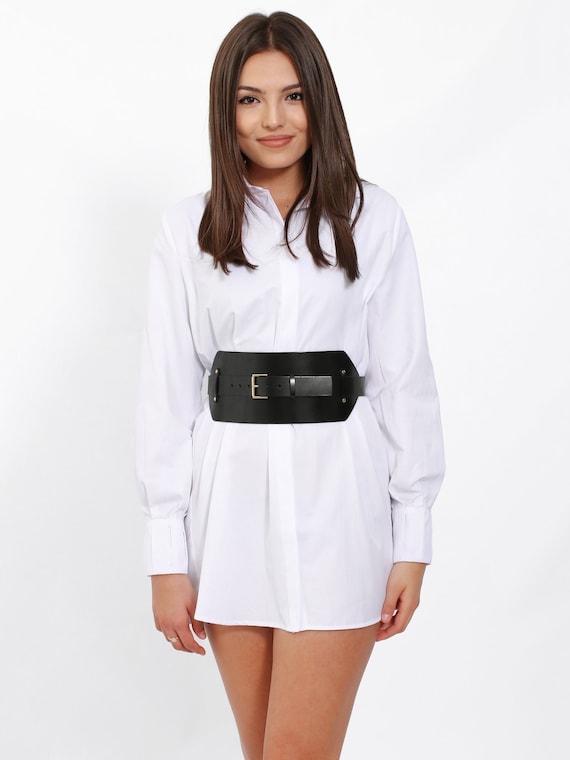
Beyond measurement techniques, specific style considerations play a role in determining the right belt size for various outfits and occasions. Understanding these factors ensures a harmonious and stylish look. Therefore, exploring style considerations for belt sizing is essential.
Formal Belts
Formal belts, often worn with business attire or dress pants, require precise sizing to ensure a polished appearance. These belts typically feature a sleek, minimalistic design and are narrower compared to casual belts. When choosing a formal belt, aim for a size that allows the belt to buckle comfortably at the middle hole, providing a balanced and tailored look. Additionally, consider matching the belt’s material and color with your dress shoes for a cohesive and refined ensemble. By understanding the nuances of formal belt sizing, you can achieve a sophisticated and well-put-together appearance. Therefore, recognizing the importance of style alignment is crucial.
Casual Belts
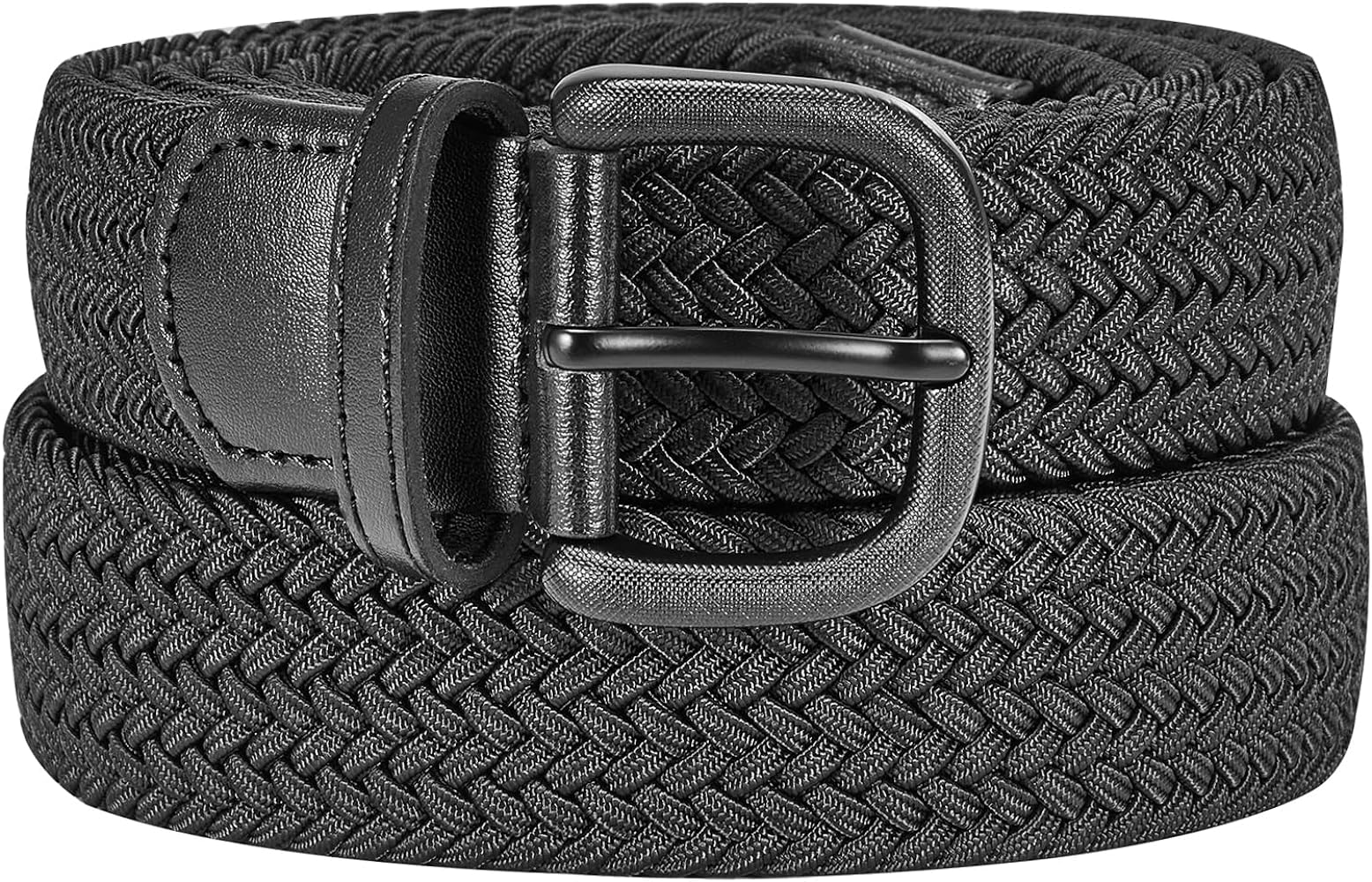
Casual belts offer more flexibility in terms of sizing and style. These belts are often wider and come in various materials, including leather, fabric, and braided designs. When selecting a casual belt, consider the level of adjustability provided by the belt’s design. For instance, fabric belts with sliding buckles offer greater size versatility. Choose a size that fits well at different points, allowing you to wear the belt with various casual outfits. By understanding the factors influencing casual belt sizing, you can enjoy both comfort and style in everyday wear. Therefore, recognizing the versatility of casual belts is essential.
Additional Tips for Selecting the Right Belt Size
While measurement techniques and style considerations are critical, additional tips can further enhance your belt-shopping experience. Understanding these tips ensures a well-rounded approach to selecting the right belt size. Therefore, exploring additional tips for selecting the right belt size is crucial.
Considering Belt Width
Belt width plays a significant role in both comfort and appearance. Different occasions and outfits may call for varying belt widths. For formal occasions, opt for narrower belts, typically around 1 to 1.25 inches wide. These belts provide a sleek and refined look that complements dress attire. For casual wear, wider belts ranging from 1.5 to 2 inches offer a more relaxed and stylish appearance. Choosing the appropriate width ensures that the belt enhances your overall outfit rather than detracts from it. By understanding the importance of belt width, you can make informed style choices. Therefore, recognizing the need for appropriate widths is crucial.
Trying on Belts Before Purchase
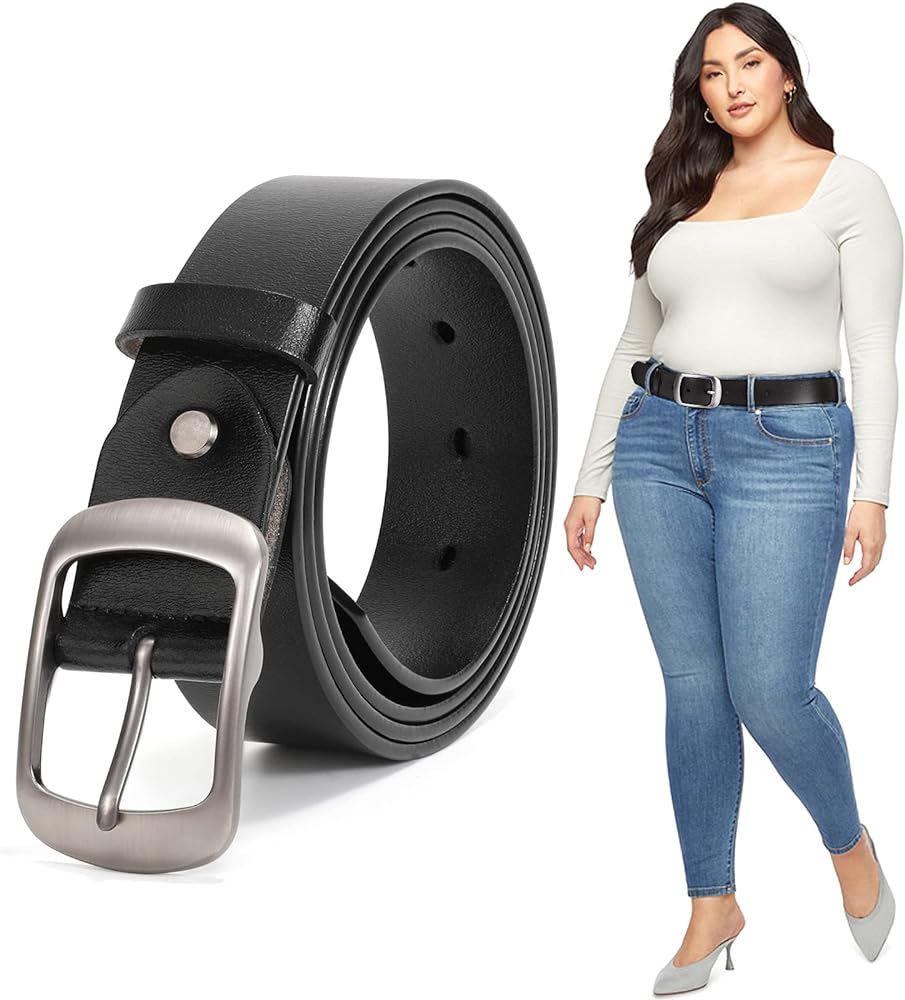
Whenever possible, try on belts before making a purchase. Trying on belts allows you to assess the fit, comfort, and overall look. Pay attention to how the belt feels when buckled and ensure it fastens comfortably at the desired hole. Additionally, observe how the belt complements your outfit, considering factors like color, material, and style. If purchasing online, check the retailer’s return policy to ensure you can exchange the belt if it does not fit as expected. By understanding the benefits of trying on belts, you can avoid sizing mistakes and ensure satisfaction. Therefore, recognizing the importance of firsthand assessment is crucial.
Addressing Common Questions About Belt Sizing
Understanding common questions about belt sizing provides clarity and enhances your knowledge. Knowledge of these answers ensures better preparation and confidence. Therefore, exploring common questions is essential.
Can Belt Sizes Vary Between Brands?
Yes, belt sizes can vary between brands due to differences in sizing standards and design. One brand’s size 34 belt may differ slightly from another brand’s size 34. To ensure a proper fit, always refer to the specific brand’s size chart and measurement guidelines. Consulting customer reviews can also provide insights into how a brand’s sizing typically runs. By understanding the potential for size variations, you can approach belt shopping with better preparedness. Therefore, recognizing the importance of brand-specific sizing is crucial.
How Should a Belt Fit?
A belt should fit comfortably, allowing for a snug but not tight fit around your waist. Ideally, the belt should fasten at the middle hole, providing some leeway for adjustments. The belt’s end should extend just past the first belt loop, without excessive overhang or being too short. Ensuring a proper fit enhances both comfort and appearance, creating a balanced and well-put-together look. By understanding how a belt should fit, you can achieve the desired combination of style and functionality. Therefore, recognizing the significance of proper fit is essential.
Addressing Common Misconceptions About Belt Sizing
Addressing common misconceptions about belt sizing provides accurate information and dispels unwarranted concerns. Clearing up misunderstandings ensures an informed perspective. Therefore, exploring common misconceptions is important.
Misconception: Belt Size Equals Waist Size
A common misconception is that belt size directly equals waist size. While related, belt size typically includes an additional few inches to account for the belt’s overlap when fastened. For example, if your waist size is 34 inches, your belt size might be 36 inches. By understanding this distinction, you can make accurate sizing selections. Therefore, dispelling this misconception highlights the importance of accurate measurements.
Misconception: One Size Fits All
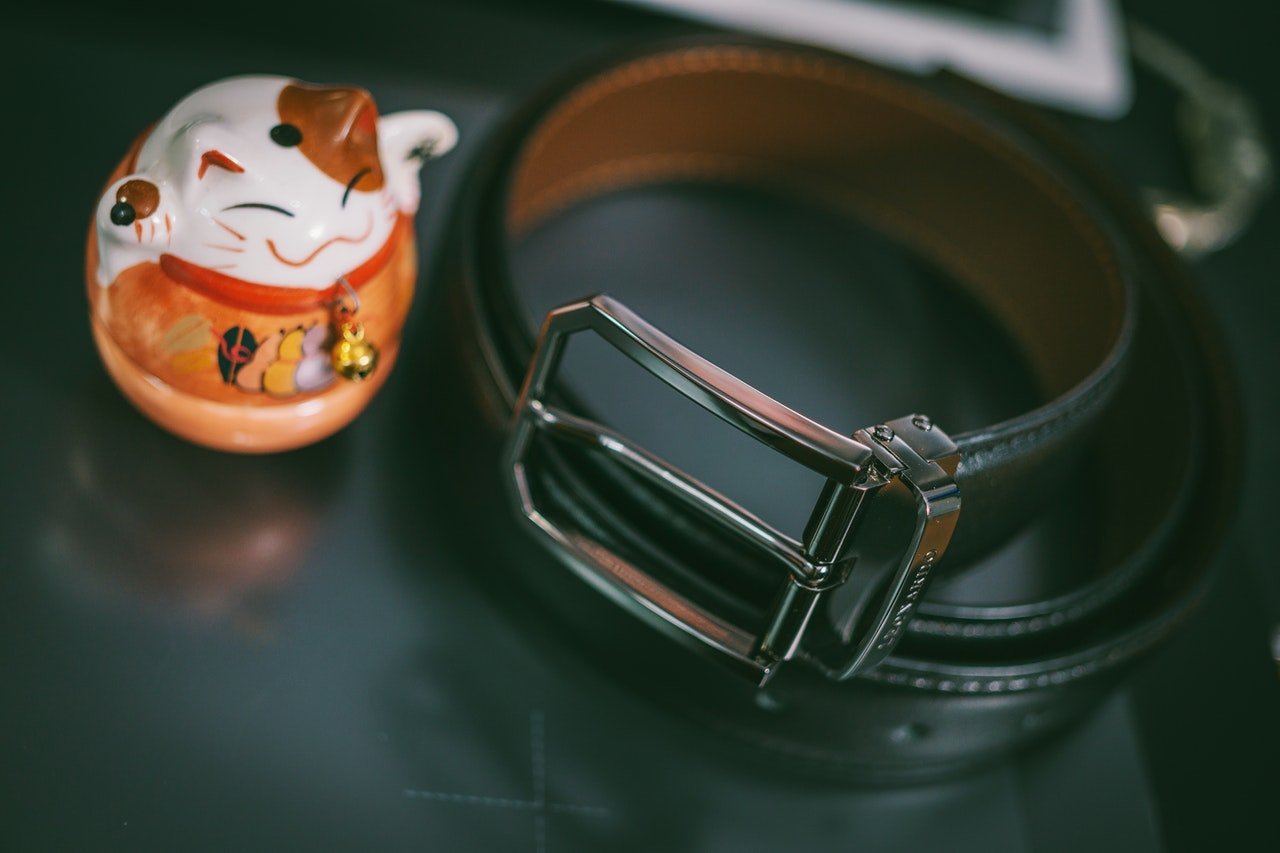
Another misconception is that belts are “one size fits all.” In reality, belts come in various sizes to accommodate different waist measurements and preferences. Adjustable belts offer some flexibility, but not all belts can fit every wearer ideally. Always refer to size charts or try on belts to ensure the correct fit. By understanding the necessity of varying sizes, you can avoid sizing issues. Therefore, dispelling this myth emphasizes the value of precision.
Conclusion: Finding the Perfect Belt Size
Finding the perfect belt size involves understanding essential measurement techniques, converting between sizes, and considering specific style factors. Accurate preparation, including measuring your waist or using an existing belt, sets the foundation for selecting the right size.
Exploring critical aspects such as size charts, international conversions, and style considerations ensures a comprehensive approach. Recognizing the importance of addressing common questions and misconceptions enhances overall preparedness and confidence.
By engaging with these elements, you can confidently choose the right belt size for any occasion, ensuring both comfort and style. Therefore, whether you are shopping for formal wear or casual outfits, understanding the essential considerations and tips for belt sizing offers practical and rewarding insights. Embrace the opportunity to enhance your wardrobe with perfectly fitting belts, knowing you have the knowledge and resources to make informed and stylish choices!


